
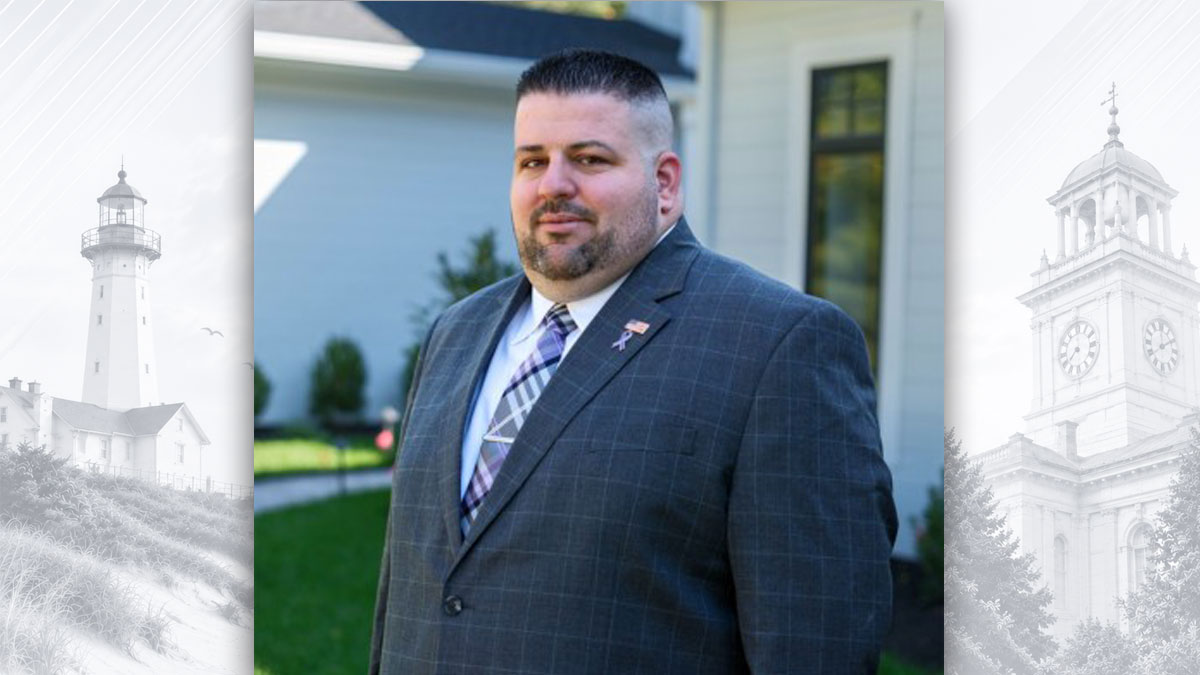
By Jack Cutrone
SUFFOLK COUNTY – I hear a version of the same story far too often.
Someone grew up on Long Island. Their parents are here. Their friends are here. Maybe they volunteer with the local fire department, coach a youth team or work for a local business. They get married, start thinking about children and eventually begin looking for a house.
Then reality hits: they wonder whether they can actually afford to stay.
That should concern all of us. This is not simply a real estate problem; it is a community problem.
Suffolk County’s median single-family sale price reached $760,000 in August, according to OneKey MLS, compared with $710,000 a year earlier. Behind those numbers are real families trying to make decisions about their future.
When young people leave Long Island because they cannot afford housing, we lose more than potential homeowners. We lose future volunteer firefighters. We lose teachers. We lose nurses. We lose small-business owners. We lose the people who would eventually coach Little League, join civic associations and raise the next generation in the communities where they themselves grew up.
There is no easy solution.
Land is limited. Construction is expensive, property taxes are significant, and infrastructure matters. Long Island residents understandably care about protecting the character of their neighborhoods.
Those concerns should not be dismissed, but neither should the concerns of a 30-year-old couple wondering whether the only way to buy their first house is to leave New York.
We need more balance.
For decades, the classic American starter home was exactly that—a start.
It might have had two or three bedrooms. It might have been 1,200 or 1,500 square feet. The kitchen was not perfect. The bathroom was not something you would see on HGTV.
But a working family could buy it, improve it over time, and build a life there.
Today, we need to ask whether enough of that type of housing is being created. New construction frequently targets higher price points because land, labor, materials, and regulatory costs make smaller projects difficult to pencil out.
Meanwhile, existing starter homes become increasingly valuable because so many buyers are competing for them.
The result is predictable: prices rise.
That is why I believe our housing conversation needs to become more practical.
Where does it make sense to allow smaller homes? Where can vacant or obsolete commercial properties be reconsidered? Where can downtown housing work? Can seniors who want to downsize find appropriate housing in the communities they already call home? Can we make approval processes faster and more predictable while still protecting residents and the environment?
Those are more productive questions than simply arguing over whether we are “pro-development” or “anti-development.”
Housing decisions should be made carefully. Nobody is arguing that every open piece of land should be covered with houses. Infrastructure needs to support growth. Traffic, schools, sewers and wastewater treatment, water quality, and community character all matter.
But affordability matters too.
The danger is believing we can freeze Long Island exactly as it is and somehow make housing cheaper at the same time.
Those goals are difficult to reconcile.
When there are more people who want homes than there are homes available, prices face upward pressure. We see that every week in the real estate market. Well-priced entry-level homes can attract immediate attention because the number of people looking for them is often greater than the number available.
We should want our children and grandchildren to have the option of remaining near us.
They may choose to move somewhere else, and that is fine, but being priced out is not much of a choice.
Long Island has spent generations building strong communities.
The next challenge is making sure another generation can afford to become part of them.
Jack Cutrone is a Licensed Real Estate Salesperson with Patriot Real Properties and a Military Relocation Professional serving buyers and sellers across Suffolk and Nassau counties.