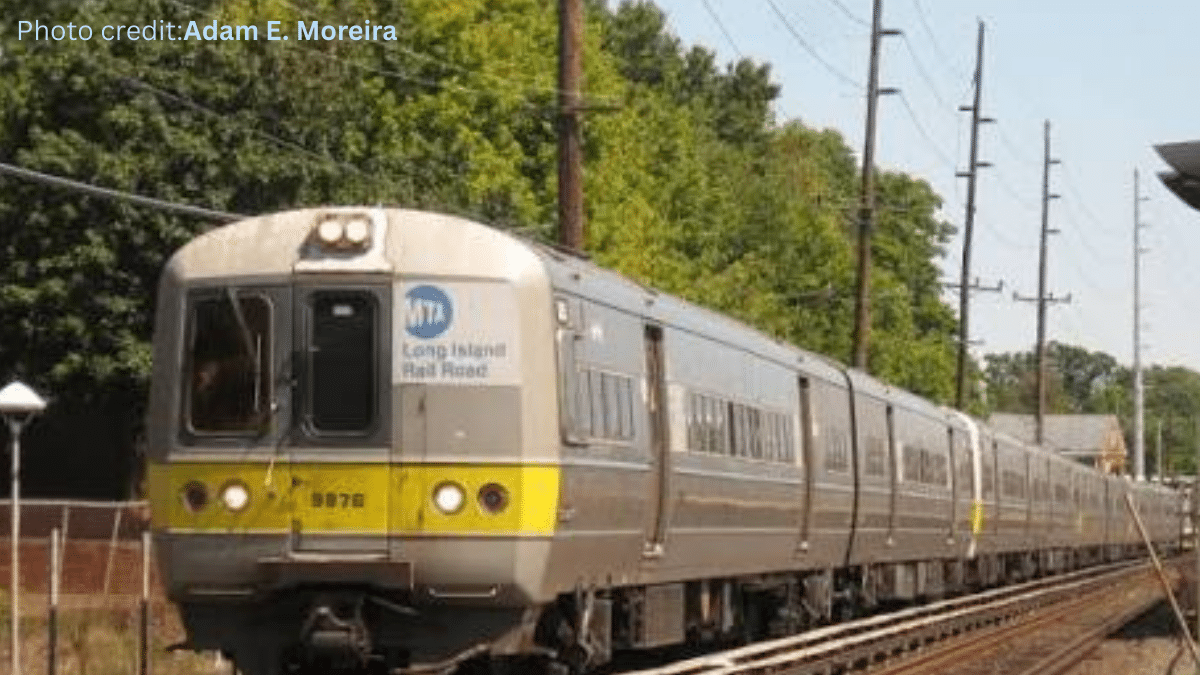
The Long Island Rail Road will run tomorrow. That is welcome news. But it does not change the underlying problem: a system where demands outpace resources, and where commuters are caught in the middle of a tug-of-war that is as predictable as it is costly.
This week’s near-crisis ended when the unions petitioned for a Presidential Emergency Board under the Railway Labor Act. That procedural move halts any immediate strike and sets in motion a federally mandated “cooling-off” period. In practice, it means trains continue to run while both sides prepare their cases before Washington. The showdown, however, is only postponed—not resolved.
The dispute itself is as old as organized labor and public monopolies. The unions want higher wages—roughly 16 percent spread across four years. The MTA has offered closer to 9 percent over three. The difference is not abstract. It will be paid by someone: the riders through higher fares, the taxpayers through larger subsidies, or the system itself through deferred upkeep and slower improvements. Arithmetic, not rhetoric, decides the outcome.
Politicians will posture, managers will scold, and union leaders will decry “scare tactics.” But none of that alters the basic reality that 270,000 daily commuters remain powerless pawns. They pay for service they cannot negotiate, and they absorb the costs when either side “wins.”
The federal board now empaneled will issue recommendations. They are non-binding. The process is designed to delay disruption, not to solve the fundamental conflict. If history is any guide, the final deal will emerge not from consensus but from the point at which one side decides the pain of holding out exceeds the price of settling.
This is why averted strikes are rarely true victories. They are pauses in a cycle where the incentives never change. When raises are granted without productivity gains, costs rise elsewhere. When management resists until the last minute, trust erodes and future disputes harden. And when commuters are treated as bargaining chips, public confidence in the entire system corrodes.
The lesson is straightforward: the trains may run tomorrow, but the economics have not changed. Until they do, the clock toward the next crisis is already ticking.